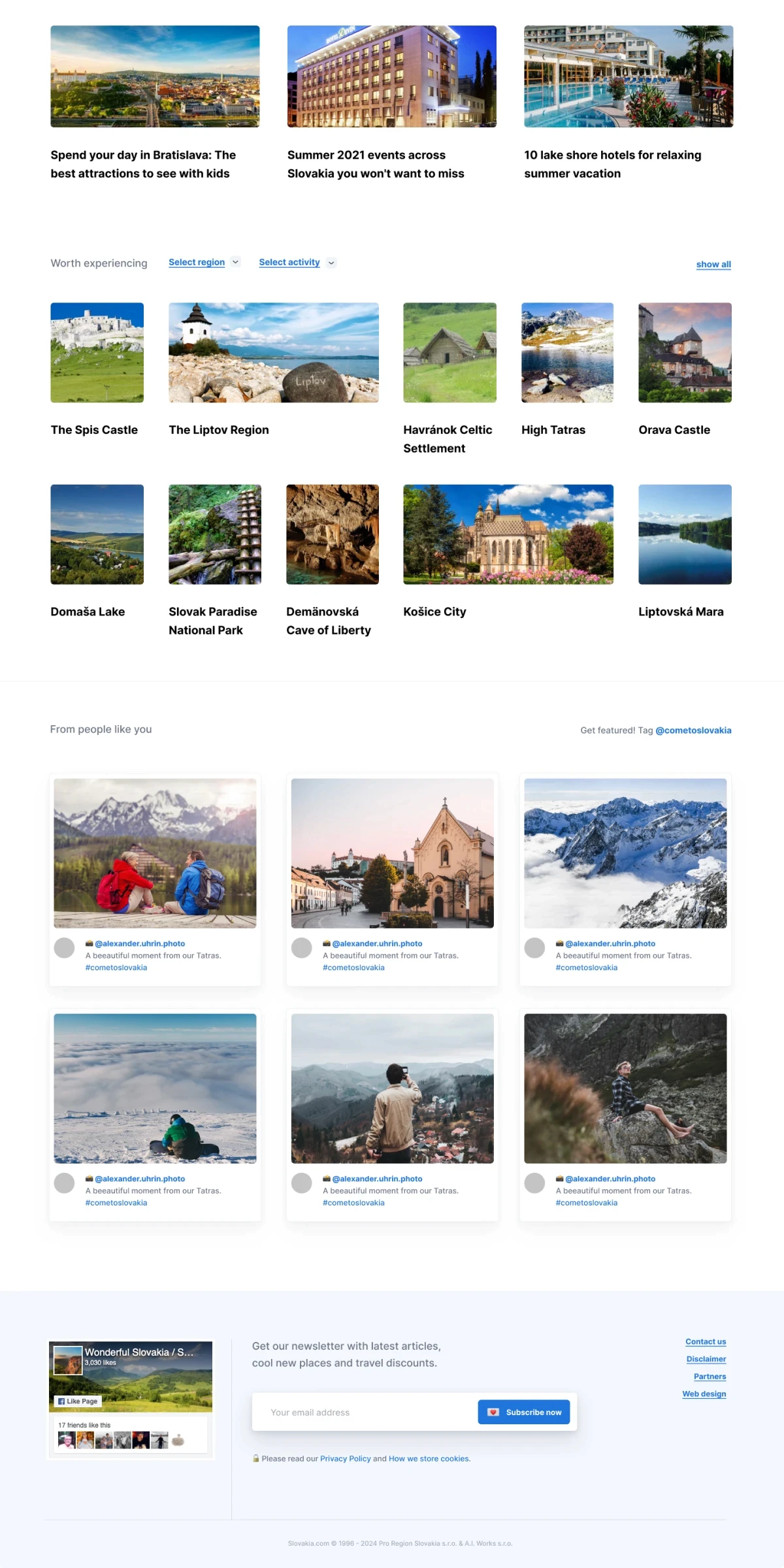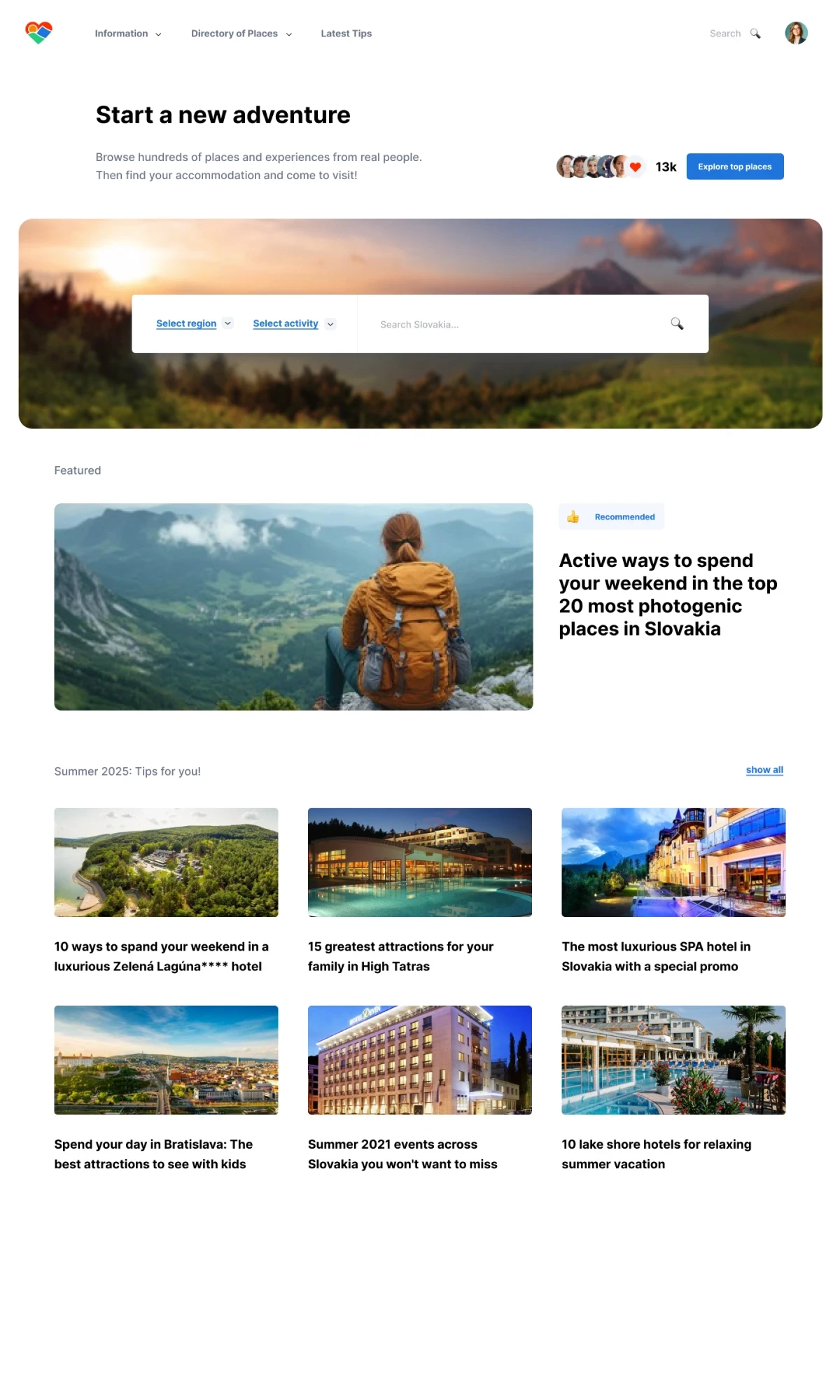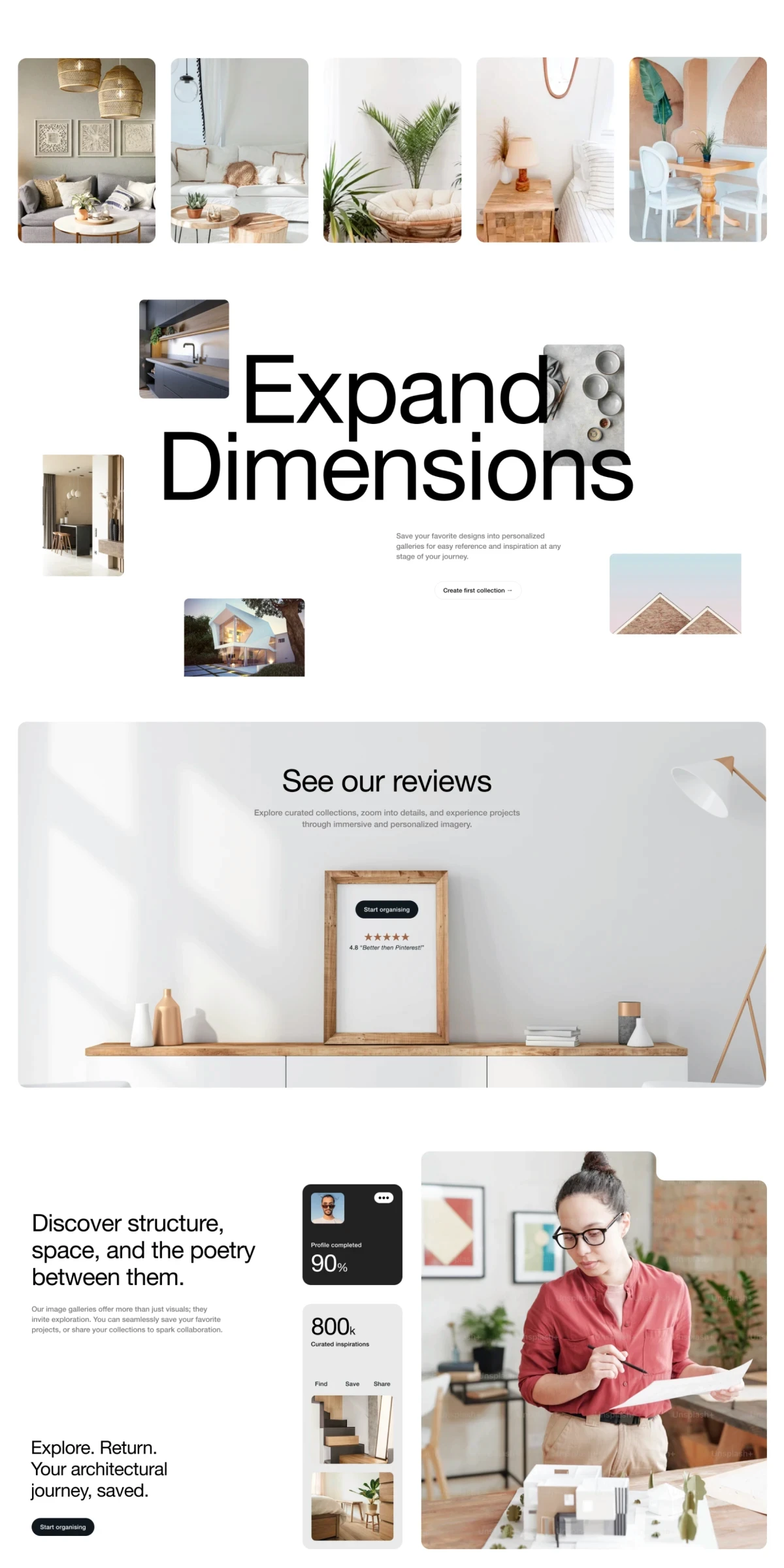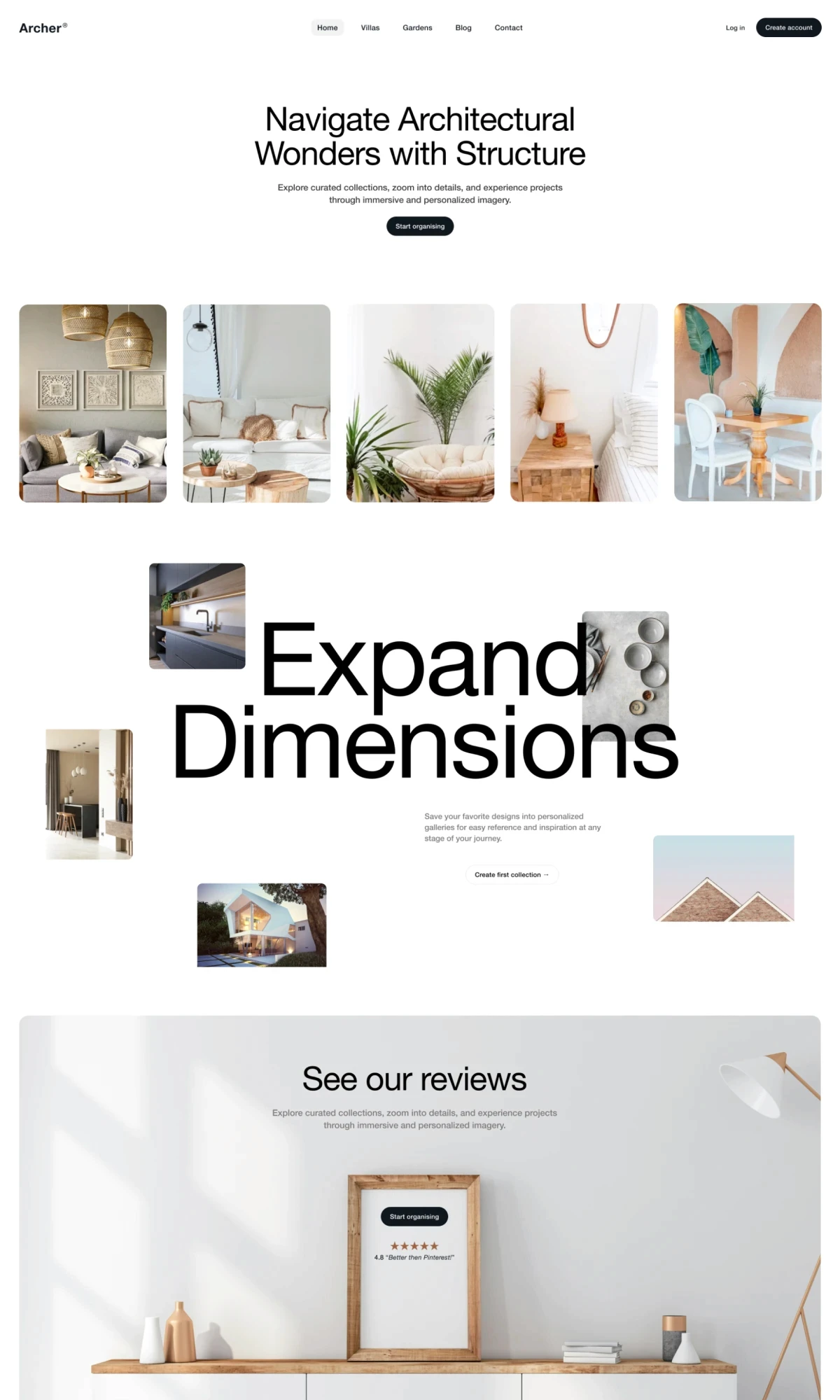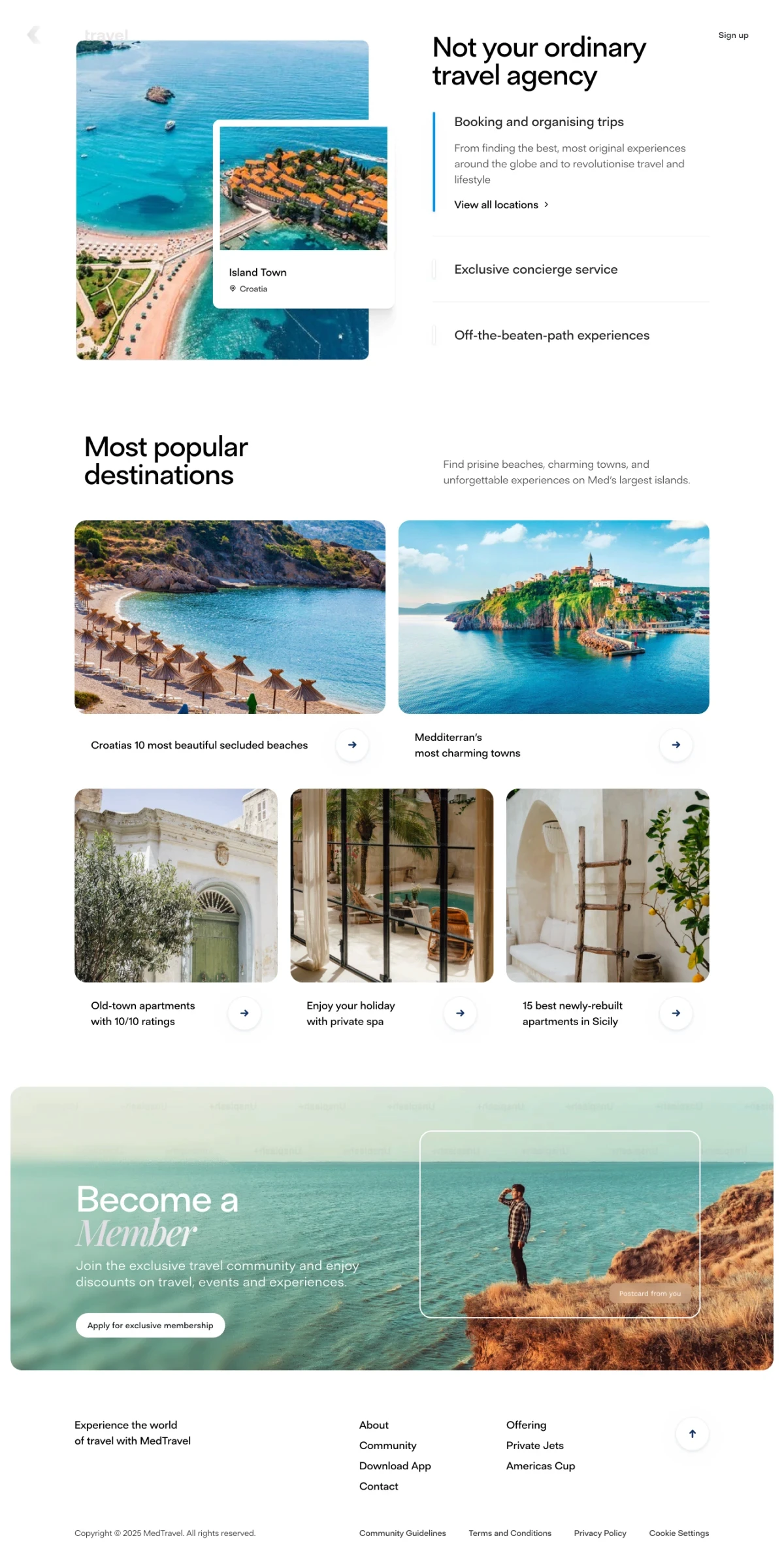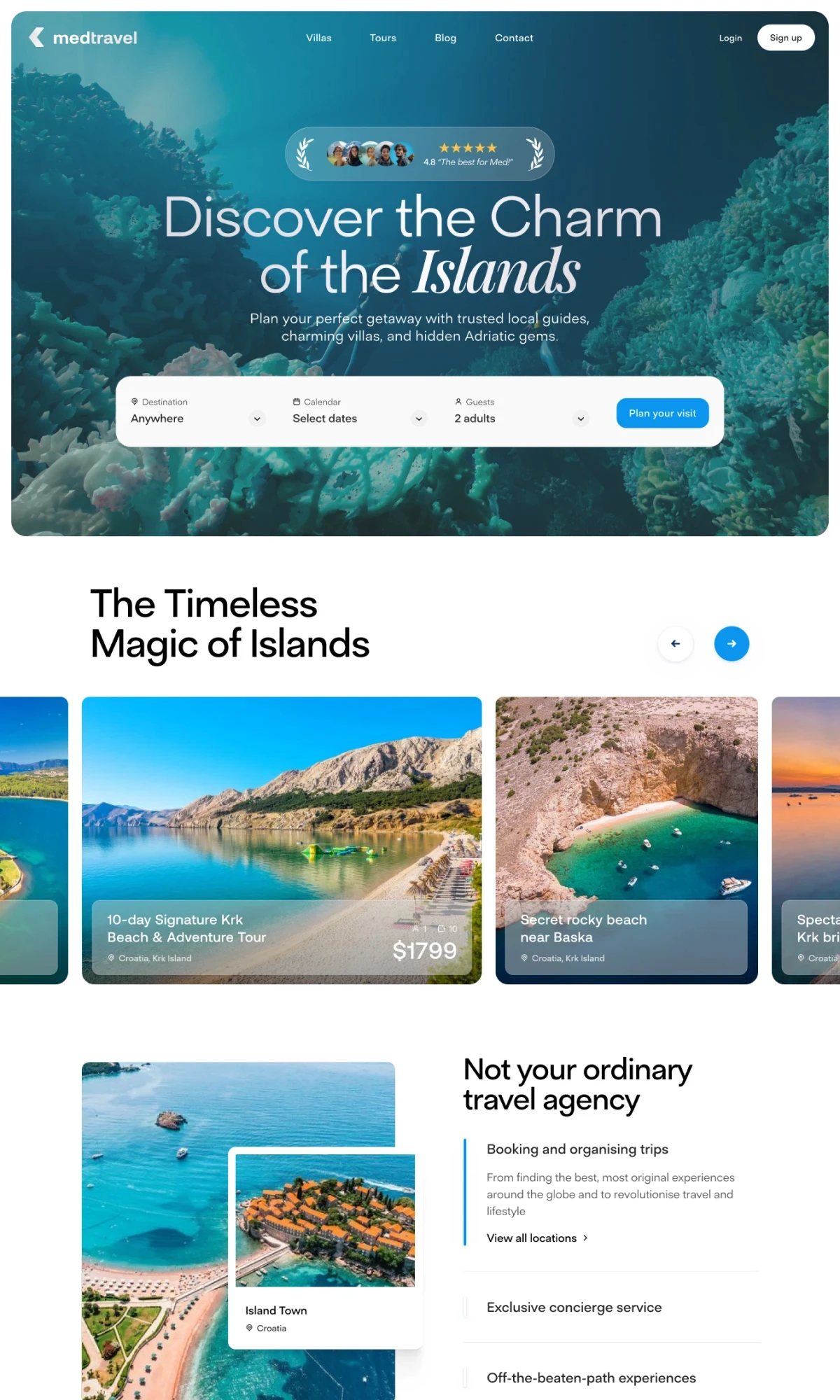
Use AI to accelerate research, content, customization, and implementation without surrendering the strategic and visual decisions that make a website distinctive. This practical workflow combines a thoughtfully designed template, clear creative constraints, brand-specific content, and careful human review.
A guide to save you from AI - while using AI
AI can draft pages, rewrite copy, organize content, and turn a rough idea into something usable at remarkable speed. That makes it an excellent website-building partner. But speed alone does not create a memorable site. If the tool is also asked to decide the strategy, structure, voice, and visual direction, the result often feels polished yet strangely familiar.
The better approach is not to avoid AI. It is to give it a stronger starting point and a clearer role. You provide the point of view; AI helps execute it. That combination can produce a website that launches quickly without looking like it came from the same prompt as every competitor.
Why AI websites drift toward sameness
AI works by recognizing patterns and predicting plausible solutions. Ask for a modern business website and it naturally reaches for familiar ingredients: a centered hero, safe typography, evenly spaced sections, rounded cards, and generic benefit statements.
None of those choices is automatically wrong.
The problem is that they are selected because they are common, not because they are right for your particular audience.
Sameness is rarely caused by one obvious element. It appears in the rhythm of the whole page. Every section receives equal visual weight. Every headline has the same confident-but-vague tone. Images decorate the layout without revealing anything specific about the business. The website functions, but it gives visitors very little to remember.
Begin with decisions, not prompts
Before opening an AI builder, decide what the site should communicate. Who is it for? What should visitors understand within a few seconds? What action matters most? Should the brand feel precise, warm, unconventional, quiet, energetic, or established? A short list of intentional answers gives AI boundaries that a prompt such as make it modern cannot provide.
Choose a small reference set as well. Look for examples of typography, photography, spacing, editorial tone, and interaction—not entire websites to imitate. The goal is to identify principles. Perhaps the site needs large editorial headlines, restrained color, candid imagery, and very direct calls to action. Those constraints become a visual brief that keeps later decisions connected.
Use a strong template as a creative foundation
A well-designed template gives you decisions that are difficult to generate consistently from scratch: responsive behavior, typographic hierarchy, component states, spacing rhythm, CMS structure, and a deliberate path through the page. Instead of asking AI to invent all of that at once, you begin with a system that has already been considered as a whole.
Starting from a template does not mean accepting its identity unchanged. Replace the typography, colors, imagery, examples, and copy with choices rooted in your brand. Remove sections that do not serve the story. Reorder the remaining sections around the questions your customers actually ask. Two businesses can begin with the same foundation and produce completely different experiences when the content and art direction are specific.
Give AI production tasks, not the final say
AI is most useful when the task is bounded and the desired result is observable. Ask it to shorten a headline without changing its meaning, turn product notes into CMS entries, replace placeholder imagery, adapt a layout for mobile, or check repeated components for inconsistent spacing. These tasks save time while leaving the larger creative direction intact.
Good instructions also include what must be preserved. Mention existing color and text styles, components that should remain linked, responsive rules that must not change, and the exact layer or section being edited.
Review one meaningful change before requesting twenty more. This makes mistakes easier to catch and prevents convenience from slowly erasing the design system.
Make the website recognizably yours
Five changes create more differentiation than endless prompting. Use real customer language instead of generic marketing phrases.
Choose imagery with a consistent point of view. Adjust the type scale and spacing rhythm to match the brand personality. Replace universal feature lists with proof that only your business can provide. Finally, remove anything that exists merely because websites usually have it.
Then test the complete experience. Read the page without images and check whether the story still makes sense. View it on a real phone. Confirm that hover and pressed states feel intentional, contrast remains accessible, and motion supports attention instead of competing for it. AI can help identify inconsistencies, but deciding whether the site feels right still requires human judgment.
The best workflow combines speed with taste
AI does not have to replace design to transform the way websites are built. Let it handle repetition, exploration, and implementation speed. Let a strong template provide structure and craft. Keep positioning, art direction, and final editing in human hands. The result is faster than a traditional blank-page process, but far more distinctive than accepting the first website a broad prompt produces.